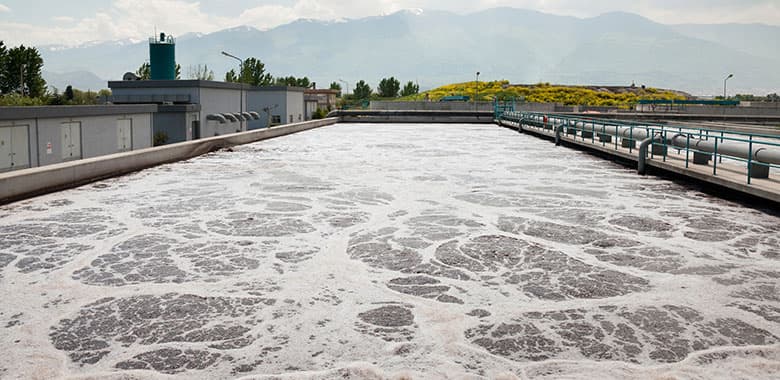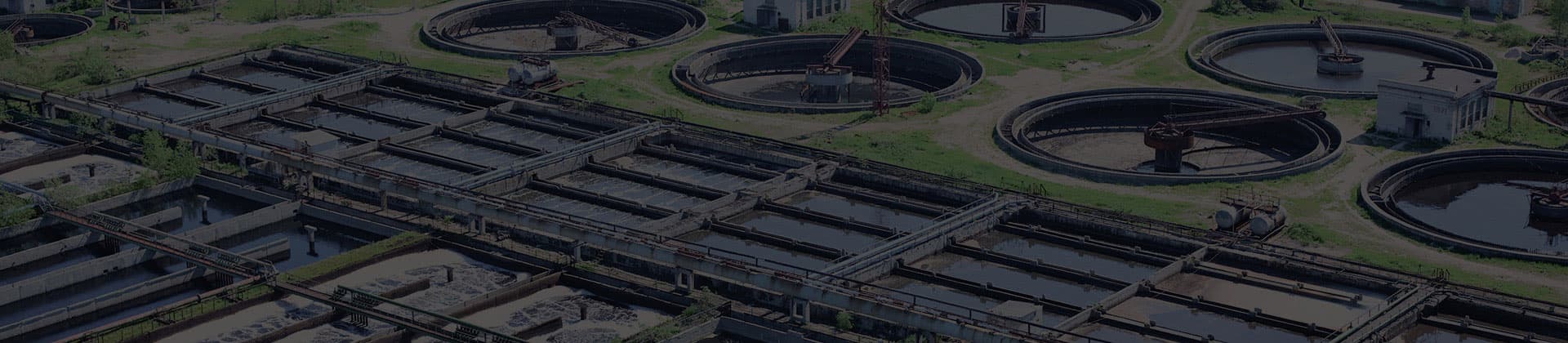


About Secondary & Tertiary Wastewater Treatment
The vast majority of wastewater treatment plants around the world provide secondary treatment through conventional activated sludge processes
Secondary processes are effective upstream of UV treatment since they remove particles and improve water quality
Some wastewater treatment plants have tertiary treatment processes that use an additional filtration process to further improve water quality
Wastewater treatment plants utilizing secondary and tertiary treatment processes typically require a microorganism-treatment step prior to discharging effluent into receiving waters.
The microorganism-treatment limits for wastewater systems are typically measured in the number of colony forming units (CFU) per 100 mL of effluent. The CFU measured is typically fecal coliform, but some regulatory bodies require measurement of Escherichia coli (E .coli), total coliform or enterococci.
Treatment is Critical
The main objective of microorganism-treatment is to reduce the number of microorganisms to permissible levels.
UV is an ideal treatment solution for wastewater treatment plants using secondary and tertiary treatment processes. It is effective against chlorine-resistant microorganisms and .
case studies
UV in Action
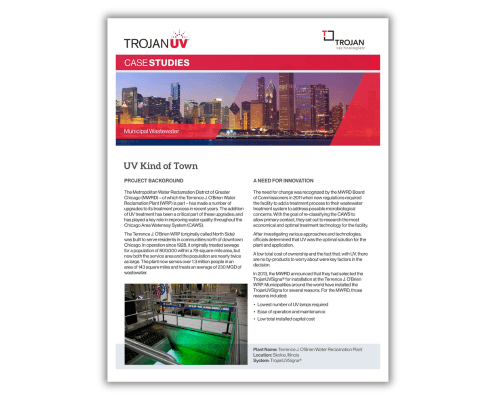
Chicago Innovates with the TrojanUVSigna
Discover how a Chicago wastewater plant adopted UV technology to meet new regulations, improve water quality, and enable recreational use—delivering reliable, large-scale treatment with lower costs and no by-products.
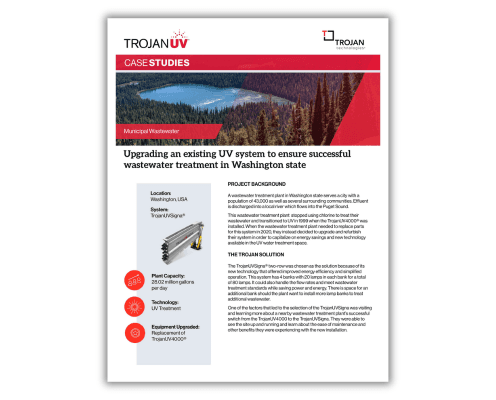
Upgrading a UV System in Washington State
Learn why a wastewater treatment plant in Washington stopped using chlorine to treat their wastewater and transitioned to using UV instead.
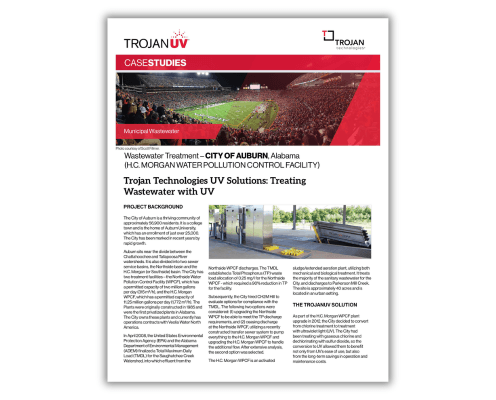
Conversion From Chlorine to UV Treatment
Discover how the city of Auburn upgraded its wastewater treatment to UV water treatment, reducing costs and simplifying maintenance while meeting strict E. coli limits and handling increased flow from city growth.
TrojanUV Systems for Secondary & Tertiary Effluent Treatment

TrojanUVSigna
An innovative UV wastewater treatment system that reduces total cost of ownership while drastically simplifying operation and maintenance.
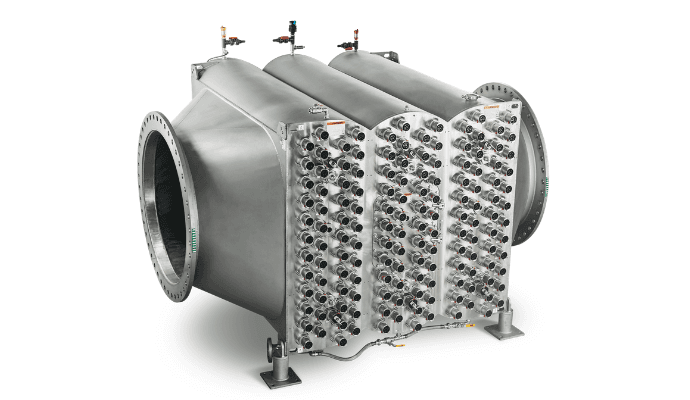
TrojanUVFlex - Wastewater
A compact and efficient UV system for non-potable reuse and other wastewater applications where treatment of filtered tertiary effluent is required.
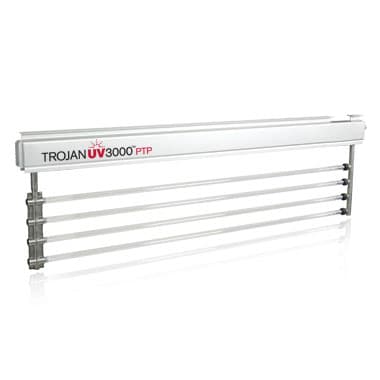
TrojanUV3000PTP
A pre-engineered UV system that enables quick, inexpensive installation and is an ideal solution for small wastewater treatment plants.
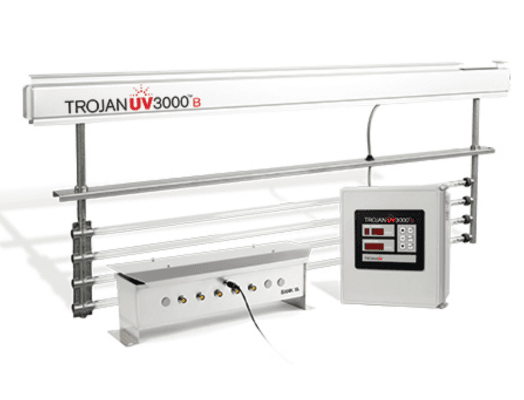
TrojanUV3000B
A simple yet robust UV wastewater treatment system that requires minimal operator involvement due to its modular design and proven components.
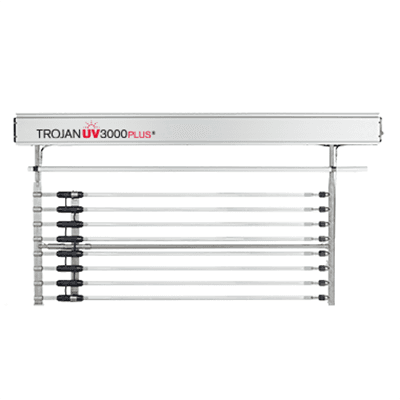
TrojanUV3000Plus
A preferred UV treatment system, delivering proven, reliable performance worldwide across primary and tertiary wastewater, and reuse applications.
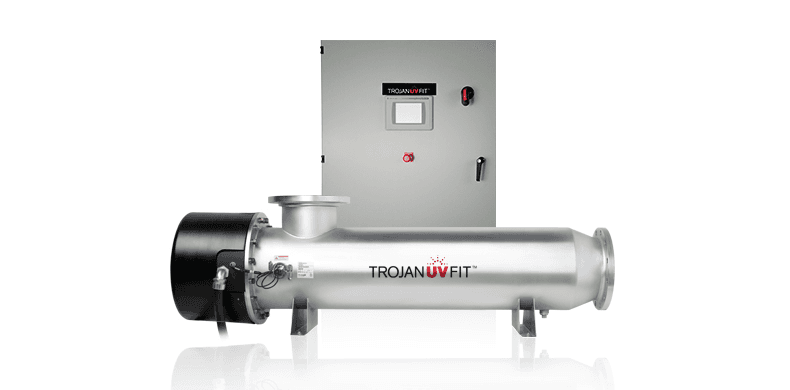
TrojanUVFit
A UV wastewater treatment system specifically designed for sites that produce filtered effluent and prefer an in-pipe/closed-vessel UV chamber.