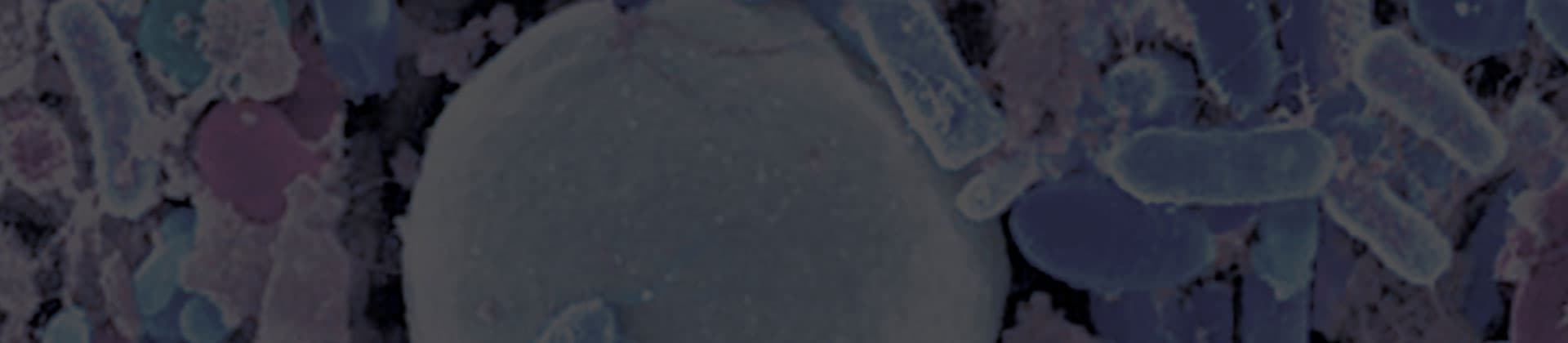


About Cryptosporidium
Cryptosporidium is a protozoa that causes a diarrheal illness called cryptosporidiosis
The parasite is transmitted by cysts that, if ingested, can result in an infection
Infection is typically short-term, but can cause severe illness
Once a person is infected, the parasites proliferate in the intestine and in some cases the respiratory tract. The infection can last more than two weeks and even longer for immunodeficient individuals.
In 1993, more than 100 people died and over 400,000 developed gastrointestinal illnesses as a result of a Cryptosporidium outbreak in the drinking water supply of Milwaukee, Wisconsin.
After the Milwaukee outbreak, many water treatment plants installed UV in order to meet the USEPA Long Term 2 Enhanced Surface Water Treatment Rule, since treatment was required.
case studies
UV in Action
Water Treatment Plant Expands Treatment Capacity
A Water Treatment Plant (WTP), located in Canada, has treated surface water from a neighboring Bay with a TrojanUVSwift system since 2003.
Treating New York City’s Drinking Water
The Long Term Enhanced Surface Water Treatment Rule requires unfiltered surface water plants to install treatment to inactivate Cryptosporidium.
4-log Virus Treatment in Abington, Pennsylvania
The Hall Road Well Station is located in Abington, Pennsylvania, approximately 12 miles (20 kilometers) north of Philadelphia.
About Giardia
Giardia is a protozoan cyst that is protected by an outer shell and is one of the most common waterborne parasites
Although Giardia is often referred to as a camping or backpacking-related concern (beaver fever), it can also be found in swimming pools, hot tubs, and contaminated drinking water
It causes the diarrheal illness known as giardiasis – signs and symptoms from a Giardia infection can last two to six weeks
UV Treatment as a Giardia Barrier
Traditional methods of chlorine-based water treatment require relatively high concentrations and contact times to eliminate Giardia, a situation that is further exacerbated by cold water conditions.
UV treatment can inactivate Giardia at relatively low doses.
Where the design of chlorine-based systems is governed by highly chlorine resistant organisms like Giardia, UV offers a cost-effective treatment alternative. In this type of application, UV can form part of a by-product reduction strategy. Furthermore, a UV treatment system’s small footprint can also provide significant cost and space savings compared to the design and construction of a chlorine contact chamber expansion.
UV Systems for Cryptosporidium & Giardia Barrier
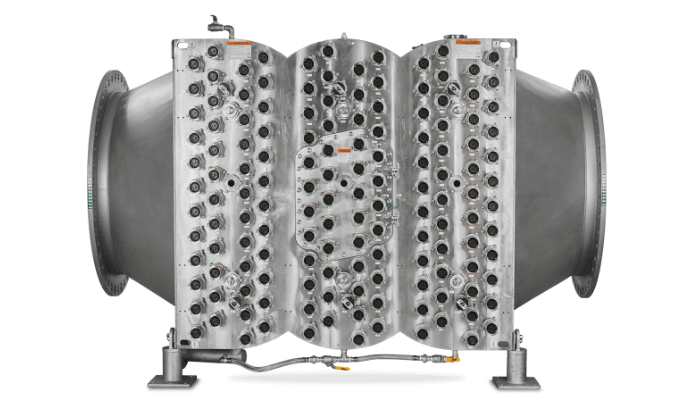
TrojanUVFlex - Drinking Water
A compact and efficient UV drinking water treatment system that makes installation and operation simpler, faster and more cost-effective.
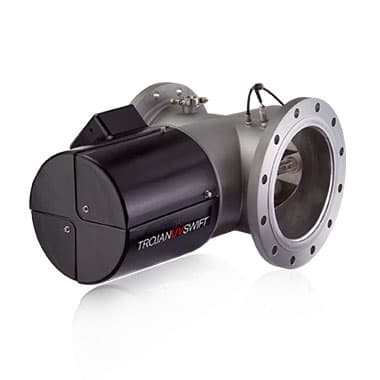
TrojanUVSwift
An easy-to-maintain UV drinking water treatment system which can be configured for future expansion to meet increased capacity, or taste & odor treatment.
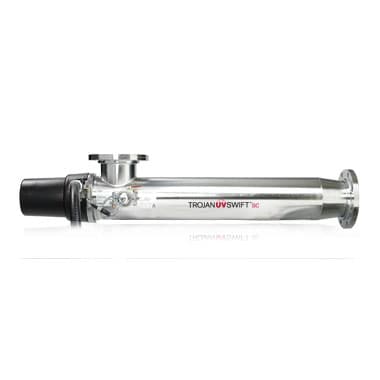
TrojanUVSwiftSC
A compact UV system that is simple to maintain with intuitive controls, offering small communities an economical solution for drinking water treatment.