



Potable reuse is the process of recycling wastewater for the augmentation of drinking water supplies
Indirect potable reuse (IPR) treats water for the replenishment of groundwater supplies, indirectly back to drinking water
Direct potable reuse (DPR) treats water for direct injection into drinking water reservoirs or drinking water supply networks
To meet the increasing demands for clean drinking water, many municipalities are looking at solutions beyond what was previously accessible or considered conventional. Many are turning to water reuse as a sustainable means of securing a local, drought-proof, and safe water supply.
UV advanced oxidation and inactivation of microorganisms are key elements in the potable reuse treatment scheme and ensures the highest quality water is produced – water that exceeds the standards for drinking water supplies.
When treating wastewater for potable reuse, advanced processes including microfiltration, reverse osmosis (RO) and UV advanced oxidation have set the standard. When used in combination, they ensure the highest quality water is produced.
The advanced oxidation process (UV AOP) breaks down low-molecular-weight contaminants that can pass through RO membranes, such as 1,4-dioxane, nitrosamines (e.g., NDMA), pharmaceuticals, endocrine disruptor chemicals, and industrial solvents.
Simultaneously, it provides final treatment to inactivate a broad range of microorganisms.
Filters out larger microbes and any solids in the water
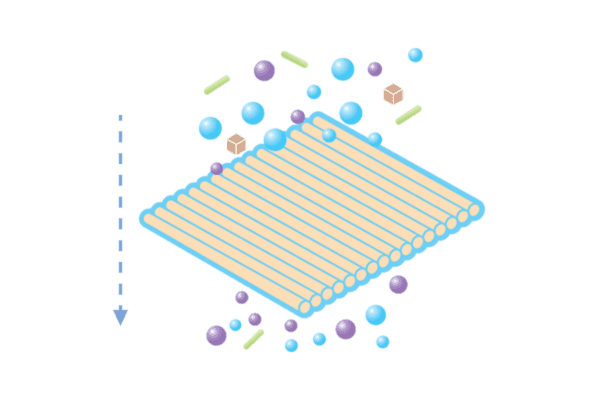
Filters out smaller microbes, salts, and chemicals
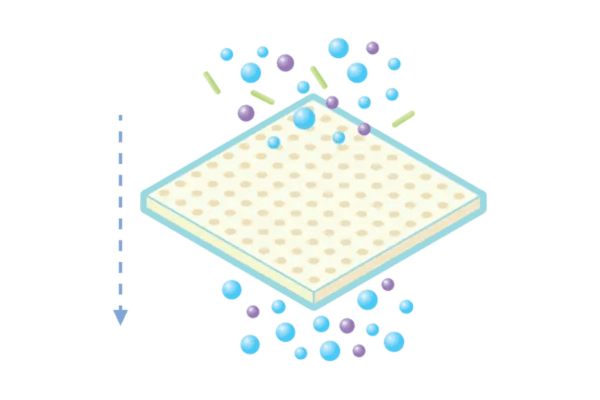
Breaks down any remaining chemicals and provides inactivation of any remaining microorganisms

case studies

Indirect Potable Reuse in Orange County, California
The Groundwater Replenishment System (GWRS), located in Orange County, California, USA, provides purified recycled water for aquifer recharge to replenish supplies and to prevent seawater intrusion.
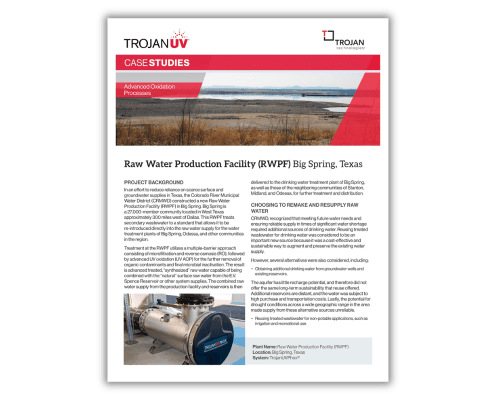
Direct Potable Reuse in Big Spring, Texas
In an effort to reduce reliance on scarce surface and groundwater supplies in Texas, the Colorado River Municipal Water District constructed a new Raw Water Production Facility in Big Spring.
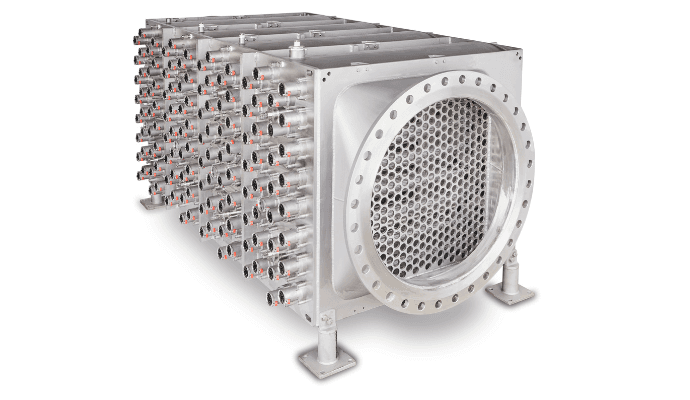
TrojanUVFlexAOP
An advanced oxidation system designed to treat contaminants in potable reuse and drinking water remediation applications to provide high quality drinking water.
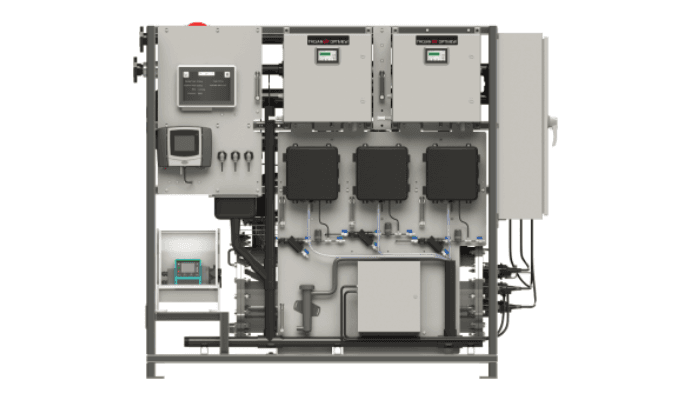
TrojanUV AOP Demonstration System
A fully packaged UV AOP system with oxidant and instrumentation options designed for demonstration, feasibility, and piloting work.
Have questions?
Call us at 1 (888) 220-6118 or complete the form below.

Potable reuse is the process of recycling wastewater for the augmentation of drinking water supplies
Indirect potable reuse (IPR) treats water for the replenishment of groundwater supplies, indirectly back to drinking water
Direct potable reuse (DPR) treats water for direct injection into drinking water reservoirs or drinking water supply networks
To meet the increasing demands for clean drinking water, many municipalities are looking at solutions beyond what was previously accessible or considered conventional. Many are turning to water reuse as a sustainable means of securing a local, drought-proof, and safe water supply.
UV advanced oxidation and inactivation of microorganisms are key elements in the potable reuse treatment scheme and ensures the highest quality water is produced – water that exceeds the standards for drinking water supplies.
When treating wastewater for potable reuse, advanced processes including microfiltration, reverse osmosis (RO) and UV advanced oxidation have set the standard. When used in combination, they ensure the highest quality water is produced.
The advanced oxidation process (UV AOP) breaks down low-molecular-weight contaminants that can pass through RO membranes, such as 1,4-dioxane, nitrosamines (e.g., NDMA), pharmaceuticals, endocrine disruptor chemicals, and industrial solvents.
Simultaneously, it provides final treatment to inactivate a broad range of microorganisms.
Filters out larger microbes and any solids in the water
Filters out smaller microbes, salts, and chemicals
Breaks down any remaining chemicals and provides inactivation of any remaining microorganisms
case studies
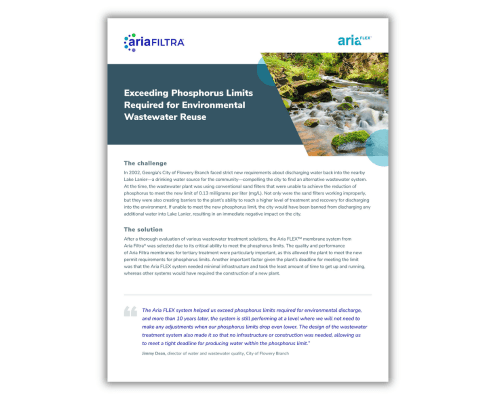
Advanced Phosphorus Control
In 2002, Georgia’s City of Flowery Branch faced strict new requirements about discharging water back into the nearby Lake Lanier, which is a drinking water source for the community, compelling the city to find an alternative wastewater system.
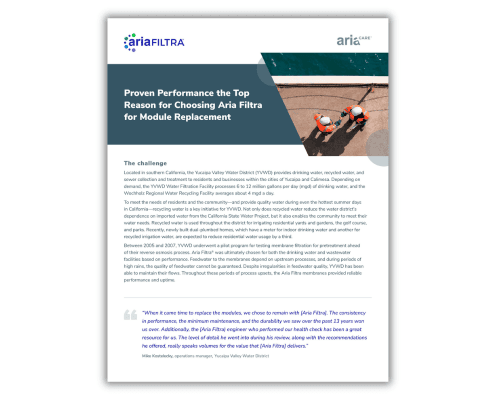
Reliable Membrane Performance
The Yucaipa Valley Water District tested membrane filtration for pretreatment ahead of their reverse osmosis process. Learn why Aria Filtra was chosen for both the drinking water and wastewater facilities based on performance.
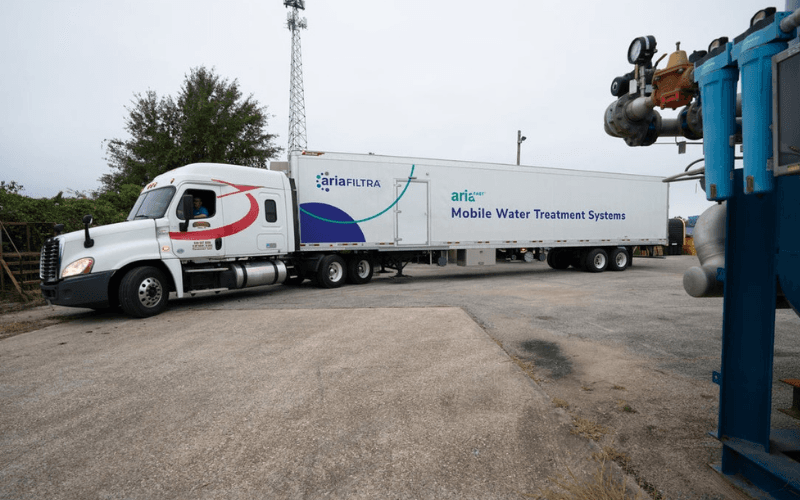
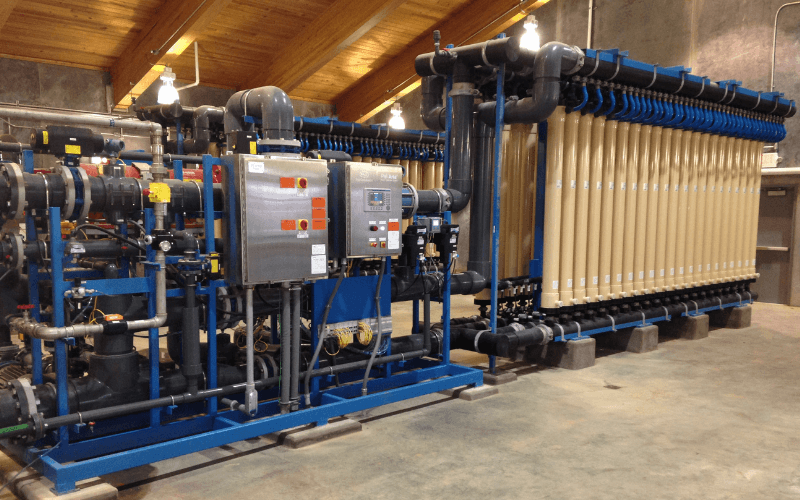
Aria FIT MF/UF Systems
Packaged water solutions that fit your project schedule, footprint, and budget.
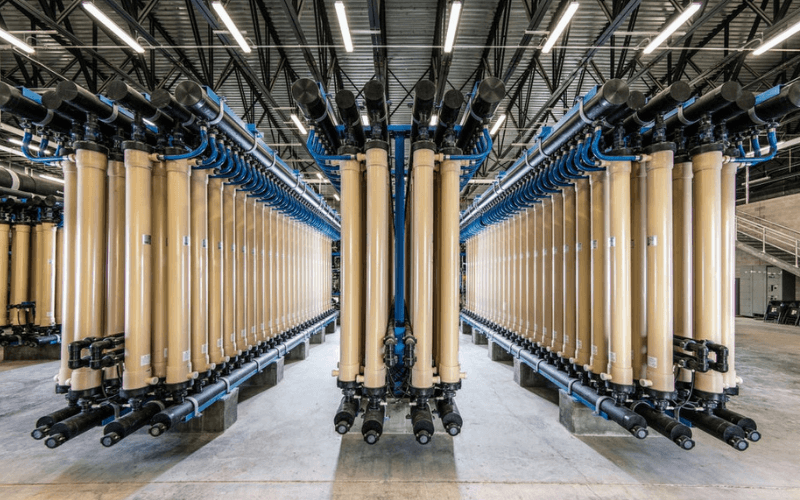
If you're looking for reliable and durable filtration solutions that enable mission-critical functions to work as needed, you've come to the right place.



TrojanUV advanced oxidation systems and Aria Filtra advanced filtration technologies help treat wastewater to the stringent standards required for potable reuse